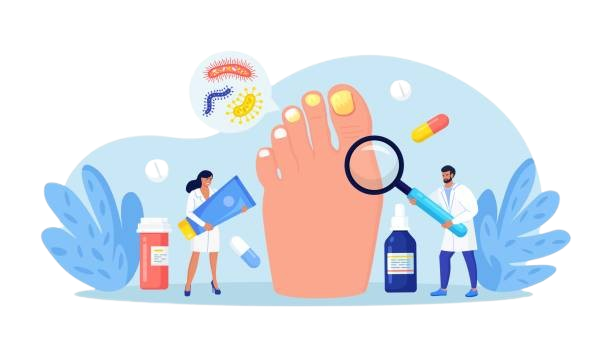
Nail Fungus: What It Is, Why It Develops, and How It Affects Health
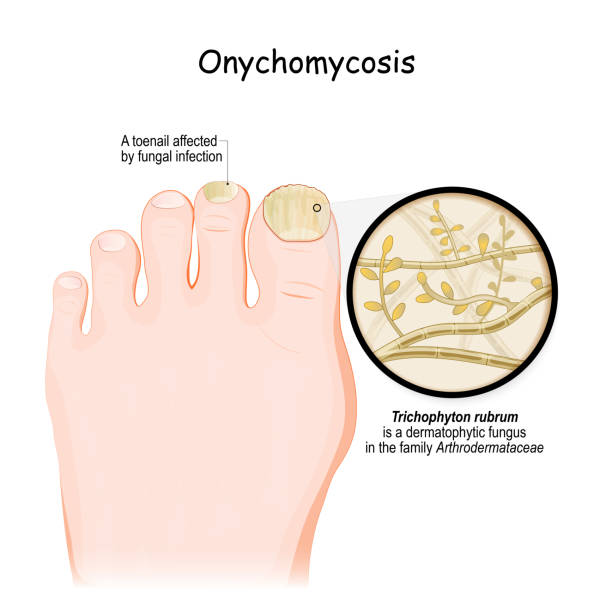
Nail fungus, medically known as onychomycosis, is a common condition that affects millions of people worldwide. While it is often seen as a cosmetic issue, nail fungus can impact comfort, overall foot health, and quality of life—especially when it is left unaddressed.
This content is educational and informational in nature. Its purpose is to explain, in clear and simple language, what nail fungus is, how it develops, common risk factors, and general care habits associated with healthy nails.
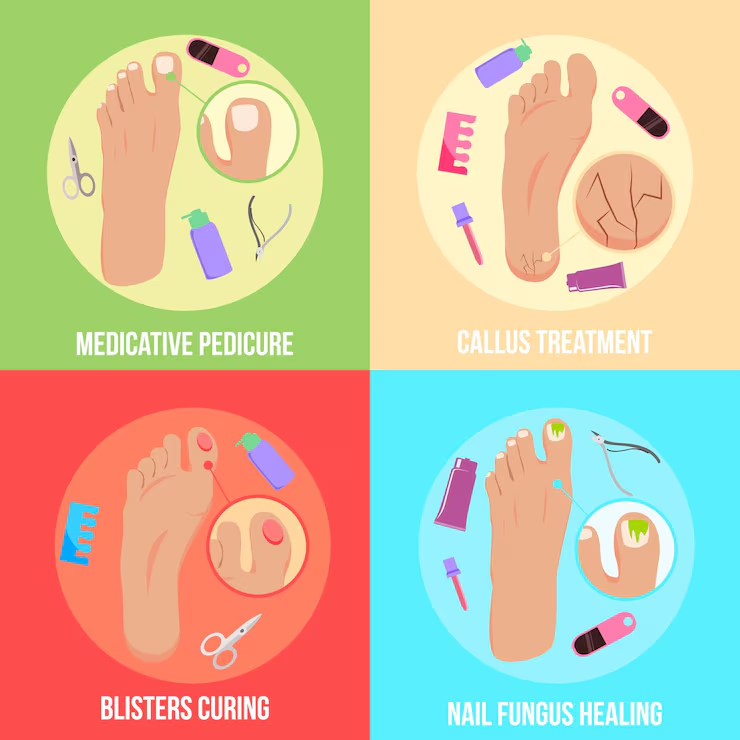
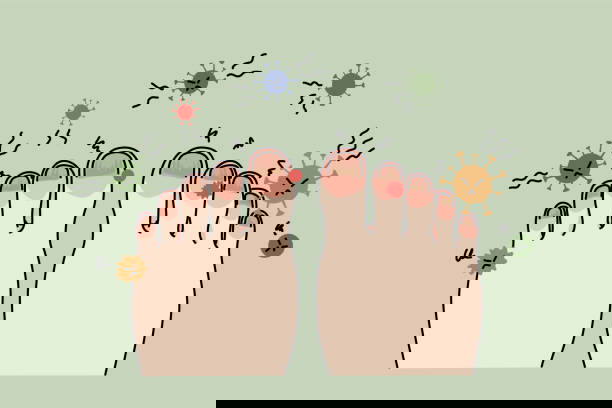
Nail fungus is an infection caused by microscopic organisms that thrive in warm, moist environments. It can affect both toenails and fingernails, though it is far more common in toenails.
The most common types of fungi associated with nail infections include:
- Dermatophytes
- Yeasts
- Non-dermatophyte molds
These organisms feed on keratin, the protein that makes up the nails.
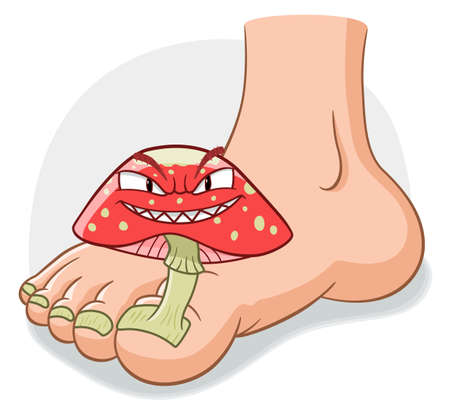
How Does the Infection Start?
Nail fungus typically begins when fungi enter the nail through small cracks, separations, or minor injuries. Common places where exposure may occur include:
- Public restrooms
- Locker rooms
- Swimming pools
- Gyms
- Wearing closed shoes for long periods of time
Not everyone who is exposed develops a fungal infection. Individual health and environmental factors play an important role.
Common Signs in the Nails
Symptoms can vary from person to person, but often include:
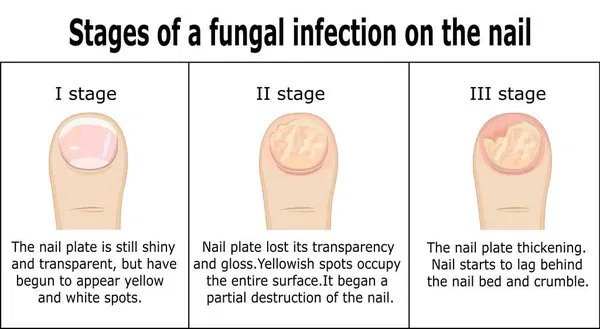
- Changes in nail color (yellow, white, or brown)
- Thickening of the nail
- Brittle, crumbly, or splitting nails
- Changes in nail shape
- Partial lifting or separation of the nail
In the early stages, these signs may be mild and easy to overlook.
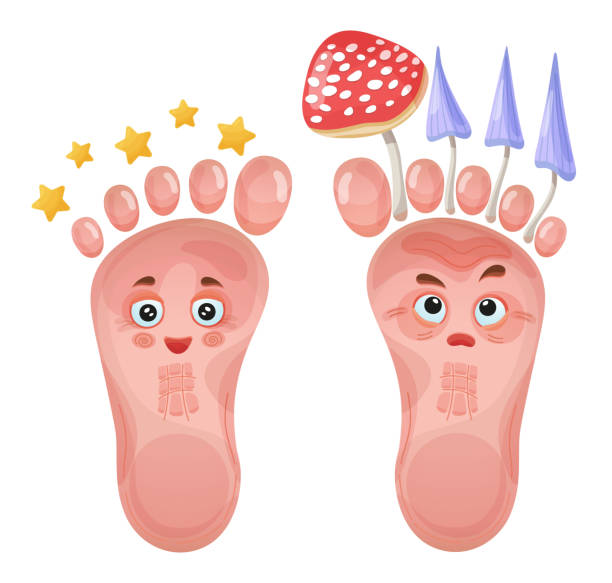
Factors Associated With Higher Risk
Certain factors are commonly linked to a higher likelihood of developing nail fungus:
- Frequent use of closed-toe shoes
- Excess moisture on the feet
- Heavy sweating
- Older age
- Weakened immune system
- Conditions such as diabetes
- Poor circulation
These factors do not directly cause the infection but can create an environment where fungi are morelikely to grow.
Why Can Nail Fungus Be Persistent?
Nails grow slowly, especially toenails. Because of this, visible changes can take a long time to improve. In addition, the area beneath the nail can protect fungi, making it harder for the infection to clear on itsown.
Without proper care, nail fungus may persist for months or even years.
Why Can Nail Fungus Be Persistent?
Nails grow slowly, especially toenails. Because of this, visible changes can take a long time to improve. In addition, the area beneath the nail can protect fungi, making it harder for the infection to clear on its own.
Without proper care, nail fungus may persist for months or even years.
General Care Habits Associated With Nail Health
Certain daily habits are commonly associated with maintaining healthy nails:
🧼 Proper Hygiene Keep nails clean and dryDry feet thoroughly after bathing
👟 Footwear ChoicesWear well-ventilated shoesAvoid staying in damp or sweaty shoes for long periods
✂️ Nail CareTrim nails regularlyAvoid sharing nail care tools
🧦 Daily RoutineChange socks dailyChoose breathable fabrics when possible
These habits do not replace professional care but are commonly associated with prevention and nailhealth.
When to Seek a Healthcare Professional
It is recommended to seek medical guidance if:
- Nail changes persist over time
- There is discomfort or pain
- The appearance of the nail continues to worsen
- The person has underlying health conditions
Only qualified healthcare professionals can provide proper diagnosis and guidance.
Final Thoughts
Nail fungus is a common condition that can affect people of all ages. Learning how it develops, recognizing early signs, and adopting healthy care habits are important steps toward maintaining nail and foot health.
This content is for educational purposes only and does not replace medical advice or evaluation.